Padel clubs are growing across the Middle East faster than ever. The demand is real, the interest is strong, and the lifestyle appeal is undeniable. However, behind the scenes, many new clubs struggle, not because players don’t show up, but because key decisions were rushed early on.
We’ve seen it time and again: choices around court quality, layout, branding, or climate adaptation made too quickly can turn into long-term operational headaches. Launching a padel club in this region takes more than excitement and a good idea. It requires local understanding, technical know-how, and the ability to think a few steps ahead.
This blog walks you through the most common mistakes people make during padel club setup in the Middle East.
1. Ignoring Local Market Research
One of the biggest mistakes is assuming that what works in Europe will work the same way in the Middle East. It rarely does. Player habits, peak playing hours, pricing comfort, and even the social side of padel vary widely.
Before you commit to land, courts, or construction, take time to understand your audience:
- When do people actually play? (Late evenings matter more than you think)
- Are you catering to beginners, competitive players, families, or corporates?
- What are nearby clubs offering, and at what price point?
Skipping this step often leads to courts sitting empty during prime hours and memberships that never quite take off.
2. Poor Location and Layout Planning
Location isn’t just about rent, it’s about accessibility. Easy entry, parking, visibility, and convenience all play a major role in whether players come back regularly. Equally important is what happens once players step inside. Clubs that rush into construction often regret:
- Courts placed too close together
- No clear flow during busy hours
- Missing social spaces where players actually want to stay
A premium padel experience starts long before the first rally. Smart planning sets the tone.
3. Compromising on Court Quality
Cutting costs on courts may look attractive at the beginning, but it almost always costs more in the long run. Players notice things like bounce consistency, turf grip, glass quality, and lighting, especially experienced ones.
If your goal is to attract serious players, leagues, or tournaments, investing in a premier padel court setup is essential. Certified materials, proper shock absorption, and durable steel structures don’t just improve play; they protect your reputation.
This is where working with the best padel court builder in Dubai becomes a strategic decision, not just a construction task.
4. Overlooking Climate-Specific Requirements
The Middle Eastern climate isn’t forgiving, and padel clubs must be built with that reality in mind. Many new clubs underestimate how much the environment affects performance and maintenance.
Common oversights include:
- Extreme summer heat
- Sand and dust are settling on turf and glass
- Humidity affecting steel and lighting systems
Whether you choose indoor or outdoor courts, ventilation, shading, cooling, and weather-resistant materials aren’t optional. They’re essential to daily operations.
5. Weak Branding and Club Identity
A padel club today is more than just courts; it’s a lifestyle destination. Weak or unclear branding is one of the most underestimated mistakes we see.
Strong padel club branding Middle East strategies focus on:
- Clear positioning (premium, community-focused, or performance-driven)
- Consistent visual identity across courts, staff, and digital platforms
- A look and feel that players are proud to share on social media
Clubs that invest early in branding tend to build communities, not just footfall.
6. Ignoring Player Experience Beyond the Court
Great courts attract players, and a great experience keeps them coming back. Many clubs focus only on installation and forget about everything else that matters. Here are some aspects related to player experience beyond the court:
- Comfortable seating and social spaces
- Easy, reliable booking systems
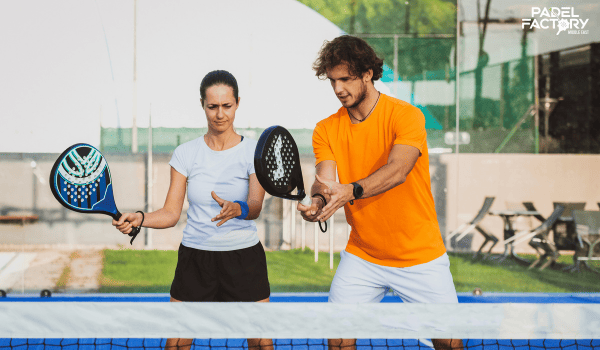
- Coaching programs, leagues, and social events
Even small details make a difference. From lighting quality to net tension, or even recommending the best padel rackets through club content or partnerships, these touches build trust and professionalism.
How Padel Factory Supports Your Padel Club Journey?
Avoiding these mistakes becomes much easier when you work with an experienced padel solutions provider from the start. This is where Padel Factory plays a crucial role for investors and entrepreneurs in the region. We help you build high-quality Padel clubs by offering:
- End-to-end padel club planning and execution
- International-standard court design and installation
- Climate-optimized solutions for Middle Eastern conditions
- Expertise in recreational and professional-grade courts
- Support for branding, layout planning, and future scalability
By focusing on performance, durability, and long-term value, Padel Factory stands out as the best padel court builder in Dubai that helps clubs launch with confidence, not guesswork.
Build It Right, Build It Once With Padel Factory
Launching a padel club in the Middle East is a strong opportunity when done right. Failures come from rushed decisions and underestimating details. Every choice matters while building a padel court, whether it’s the location, court quality, or enhancing the player experience. Through the right planning, your club can grow into a true hub for sport, community, and business.
If you’re planning to launch or upgrade a padel club, Padel Factory is ready to help you build it right from day one. Get in touch with Padel Factory today and take the first step toward a successful padel club in the Middle East.
FAQs
- Is padel a profitable business in the Middle East?
Yes. With proper planning, strong branding, and high-quality courts, padel clubs can generate consistent, recurring revenue. - Should I choose indoor or outdoor padel courts?
Indoor courts allow year-round play. Outdoor courts require careful climate-specific design to perform well in Middle Eastern conditions. - What defines a premier padel court?
Certified materials, consistent bounce, durable turf, professional lighting, and strong safety standards.